
How a high-tech company in Dubai brought together its international engineering team for the first time — and what it revealed about alignment, culture, and trust.

Speak to Us
What Happens When a Distributed Team Finally Meets
Evollabs Tech · Dubai · March 2026
At Evollabs Tech, we build software for network operating systems and develop proprietary AI hardware with a distributed, high-caliber engineering team based out of Dubai.
This blog is where we document what we are learning as we scale that team: how we organize, how we collaborate across time zones, and how we build the infrastructure behind our products.
In this first article, we look at what happened when our international team met in person for the very first time — and what it revealed about alignment, culture, and trust.
TL;DR
- Evollabs brought its ~30-person distributed engineering team together in Dubai for the first all-hands in the company’s history.
- Two days of strategy, technical deep dives, and shared experiences in the city and the desert created a step-change in trust, alignment, and cross-team visibility.
- The biggest lessons: time the first gathering before silos harden, design content for context transfer (not status updates), and deliberately blend formal and informal time.
Introduction
Building a high-caliber engineering team in a niche technical field is hard enough. Building one that spans multiple countries, time zones, and work arrangements — while maintaining the cohesion necessary to ship ambitious, deeply complex products — is a different problem.
Evollabs Tech, a Dubai-based company building software for network operating systems and developing proprietary AI hardware, found itself at exactly this juncture in early 2026. With roughly 30 engineers and operators spread across office-based and remote roles, and with international team members who had never met face-to-face, the company made a deliberate decision: to pause, assemble, and align.
What followed was the company’s first all-hands event — two days that combined strategic presentations, technical deep dives, and unstructured time together. This article looks at why it was necessary, how it was designed, and what it actually changed. 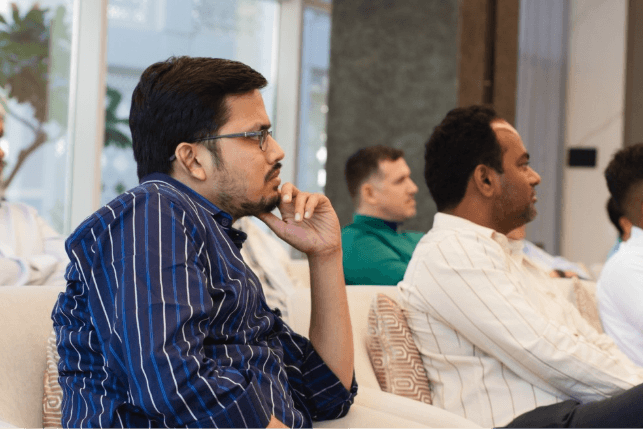
The Challenge: When “Working Well Remotely” Isn’t Enough
Evollabs operates at the intersection of disaggregated networking, AI infrastructure, and highperformance computing — domains that demand close technical coordination, shared context, and a high degree of trust between specialists. The team is experienced and distributed by design, not by accident. Remote and hybrid working arrangements were intentional choices that allowed the company to recruit the right people regardless of geography.
Over time, a familiar set of friction points accumulated. When teams work across different countries and time zones, the gaps are not always visible in day-to-day execution. Alignment at a deeper level — shared understanding of where the company is heading, what trade-offs are being made, and how individual contributions connect to the larger mission — tends to degrade quietly.
Several dynamics were at play. The distributed team had expanded through different hiring phases, so many team members had joined at different stages and held uneven context about the company’s strategic direction. With two distinct technical tracks — networking software and AI hardware — running in parallel, the risk of siloed work was real; engineers deep in one domain had limited visibility into the other. A meaningful portion of the team had also never met in person, and relationships built only through async communication and video calls feel different from those built with physical presence.
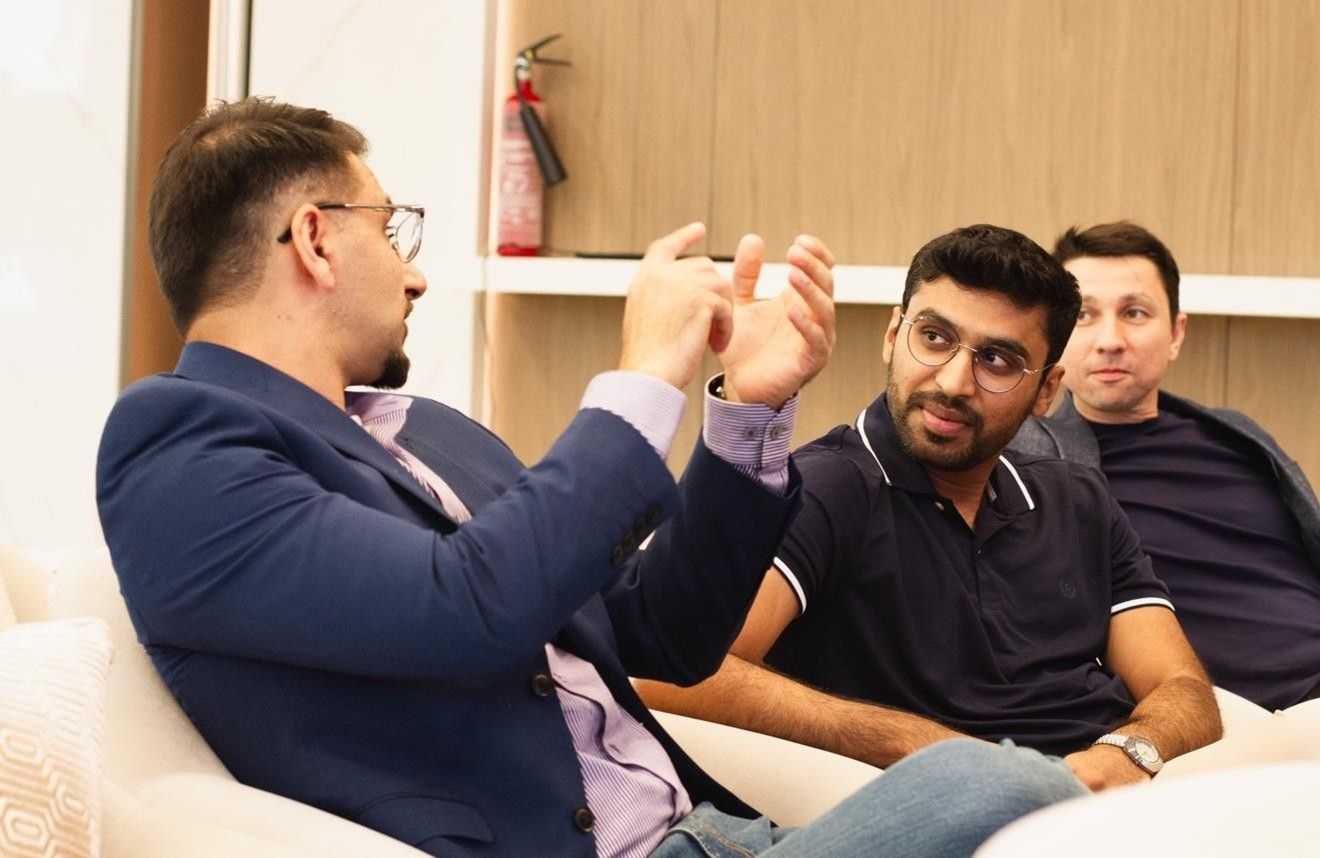
Things function. But alignment at a deeper level tends to degrade quietly.
None of this was a crisis. But it was a signal — and leadership decided the right moment to act was before it became one.
The Hypothesis: Why Physical Presence Still Matters
There is a recurring debate in distributed-work circles about whether in-person gatherings are genuinely necessary, or whether well-designed remote practices can fully substitute for them. In practice, the answer is more nuanced: remote work can sustain relationships and execution well, but it rarely builds the initial bonds that make trust possible in the first place.
Evollabs’ leadership went into the event with a clear hypothesis: that bringing the team together physically, even once, would produce a qualitative shift in how people communicated and collaborated afterward. Shared physical experience creates a different kind of relational memory — one that persists through future remote interactions and changes the baseline level of familiarity between colleagues.
There was also a practical dimension. A growing company approaching a new phase of expansion needs its team to understand not just what they are building, but why the choices are being made the way they are. That level of organizational context is difficult to transmit through documentation or distributed status updates.
The event was not a reward or a morale boost; it was a tool for organizational alignment at a pivotal moment.
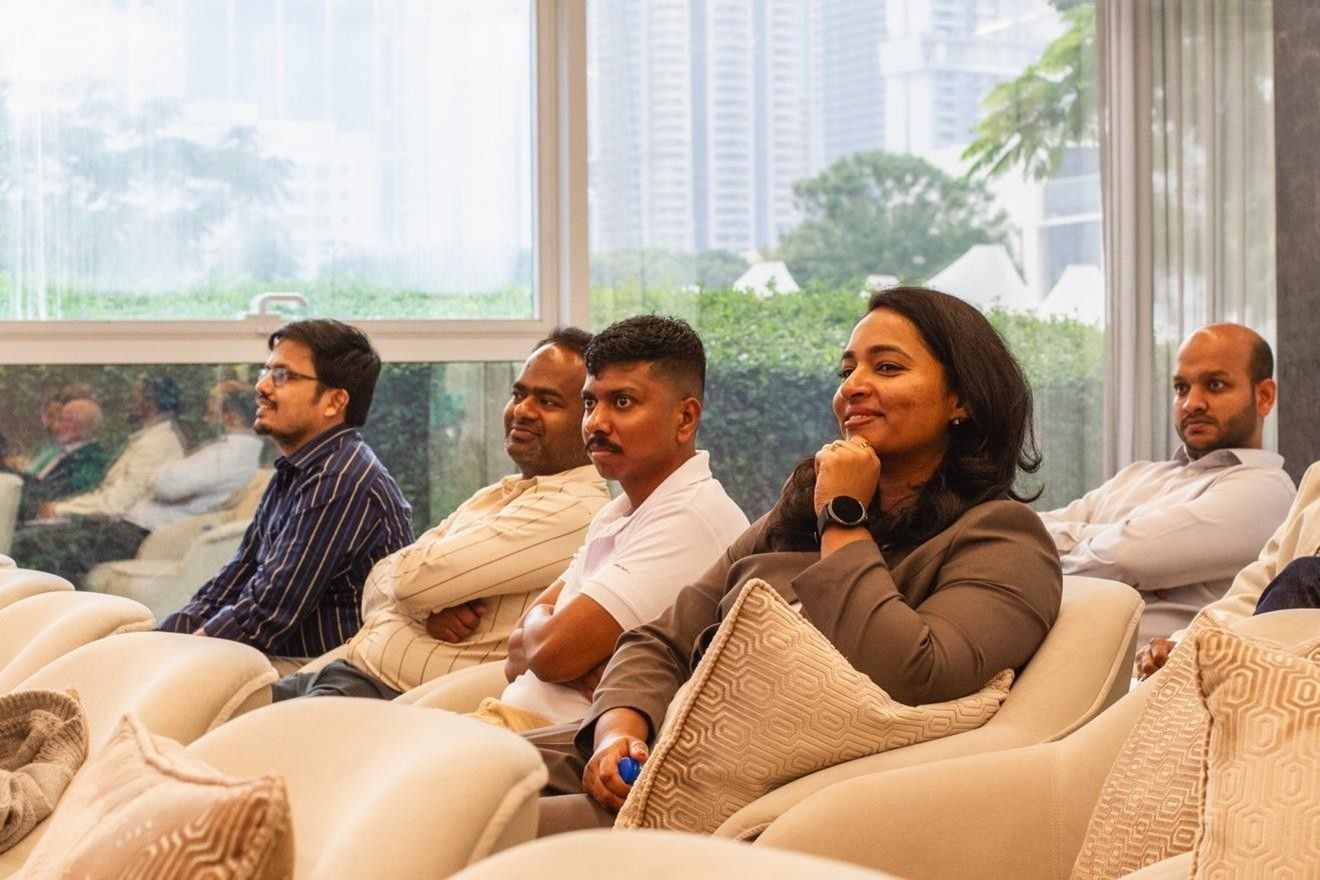
The Approach: Designing for Alignment, Not Just Activity
The event was held over two days in Dubai, using a conference facility at Dubai Internet City as the primary venue. The design followed a deliberate structure: the first day focused on substance and strategy; the second day focused on informal connection and shared experience.
Day One: Strategy and Deep Dives
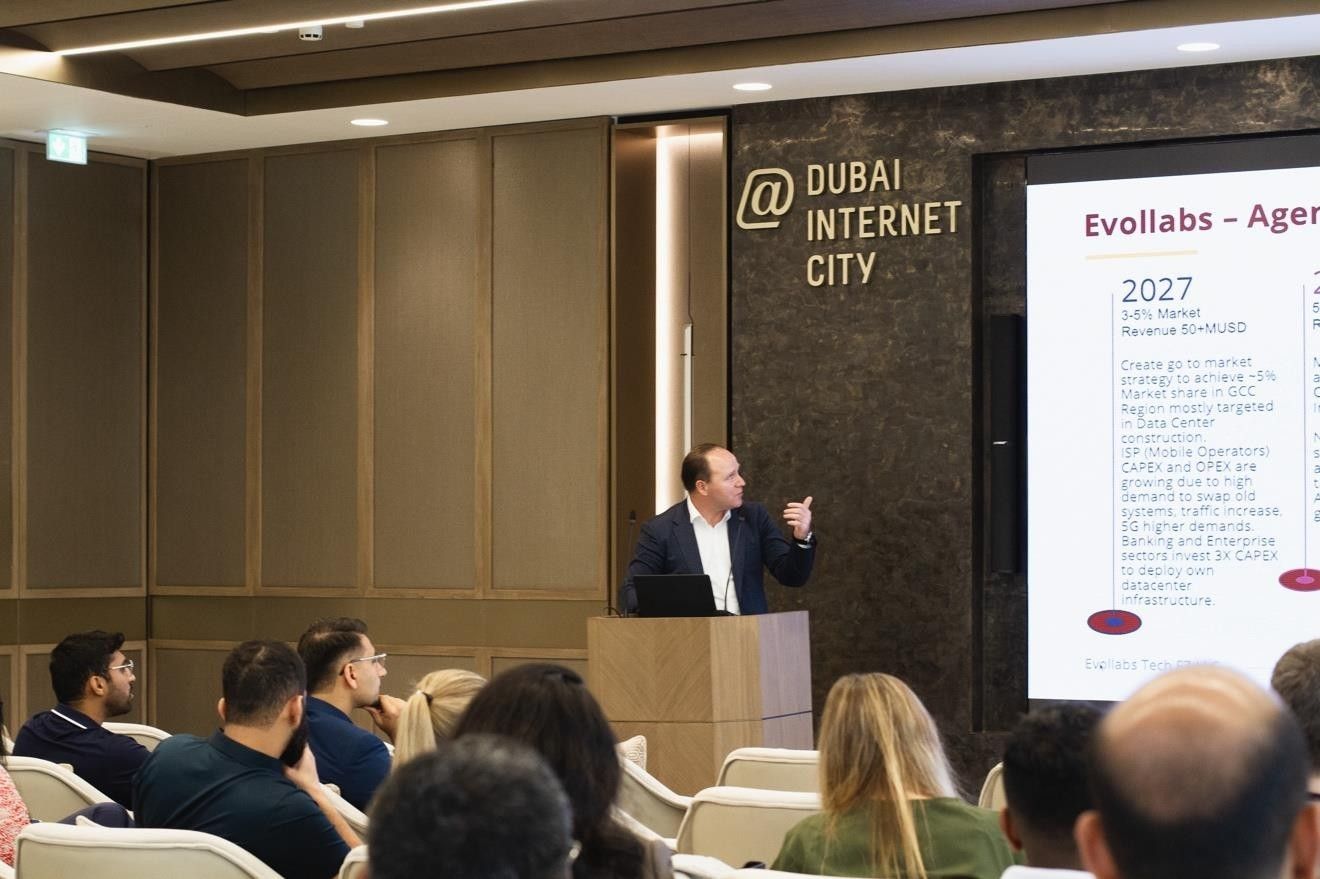
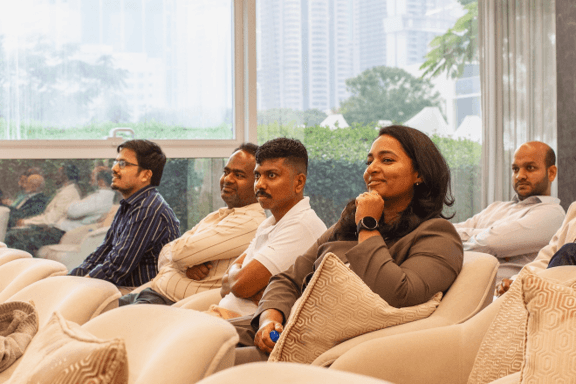
Day one opened with a keynote from the company’s founder. Rather than a standard company update, the session gave the full team visibility into the strategic landscape — the current state of the business, the markets being entered, the product bets being placed, and the growth plans ahead. For many team members, this was the first time they had seen the complete picture in one room. Hearing it together, rather than in regional briefings or written updates, created a shared reference point that future conversations could anchor to.
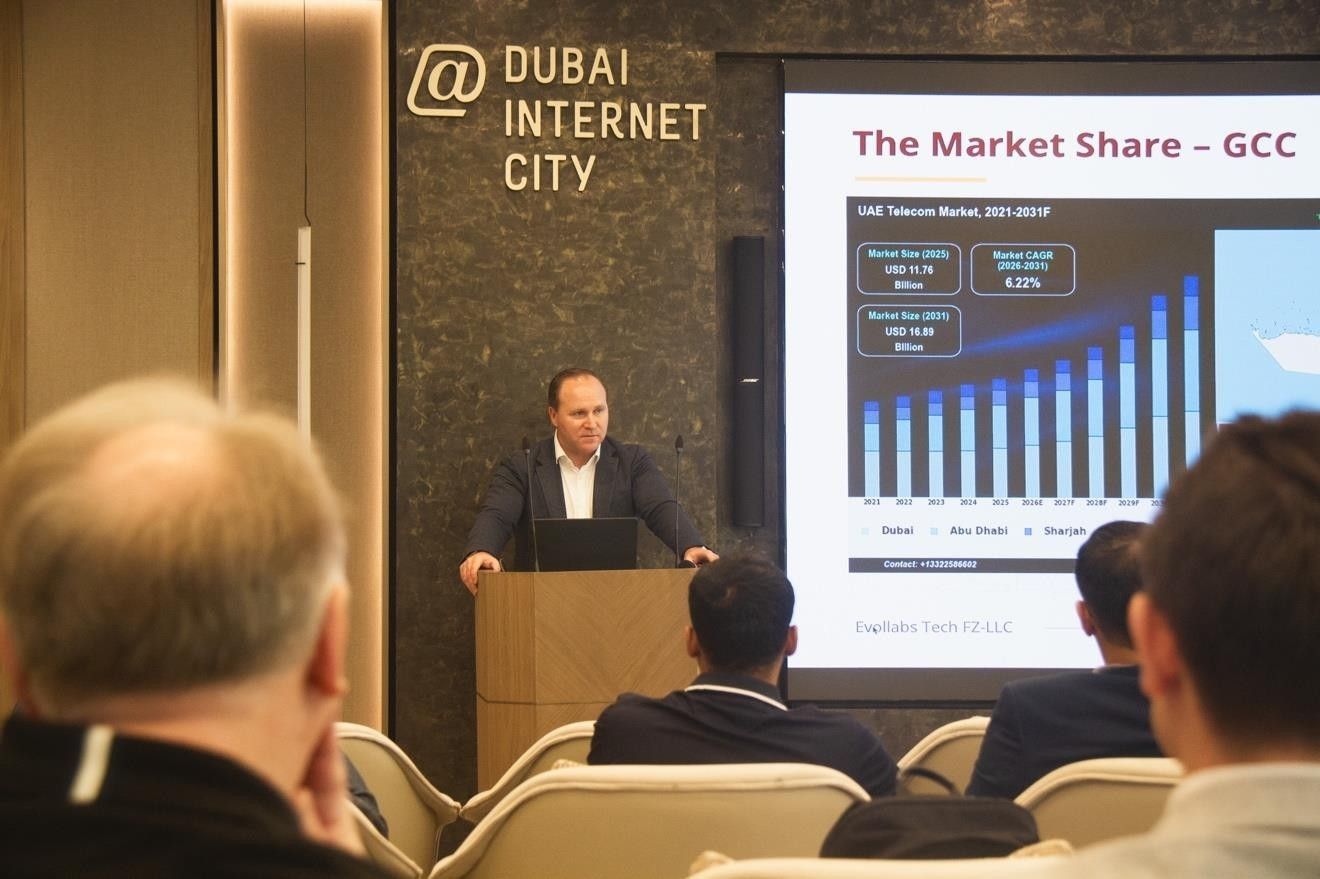
The technical program that followed was split along the company’s two major tracks. The principal architect behind Axiom X — Evollabs’ in-house AI chip initiative — walked the team through the project’s vision, the technical challenges being navigated, and the roadmap ahead. The session gave the AI hardware team visibility within the broader organization and gave everyone else a more grounded understanding of what that team was working toward. In technically specialized companies, people who are not on a given project often have only a vague sense of what it involves; closing that gap builds respect and reduces friction from uninformed assumptions.
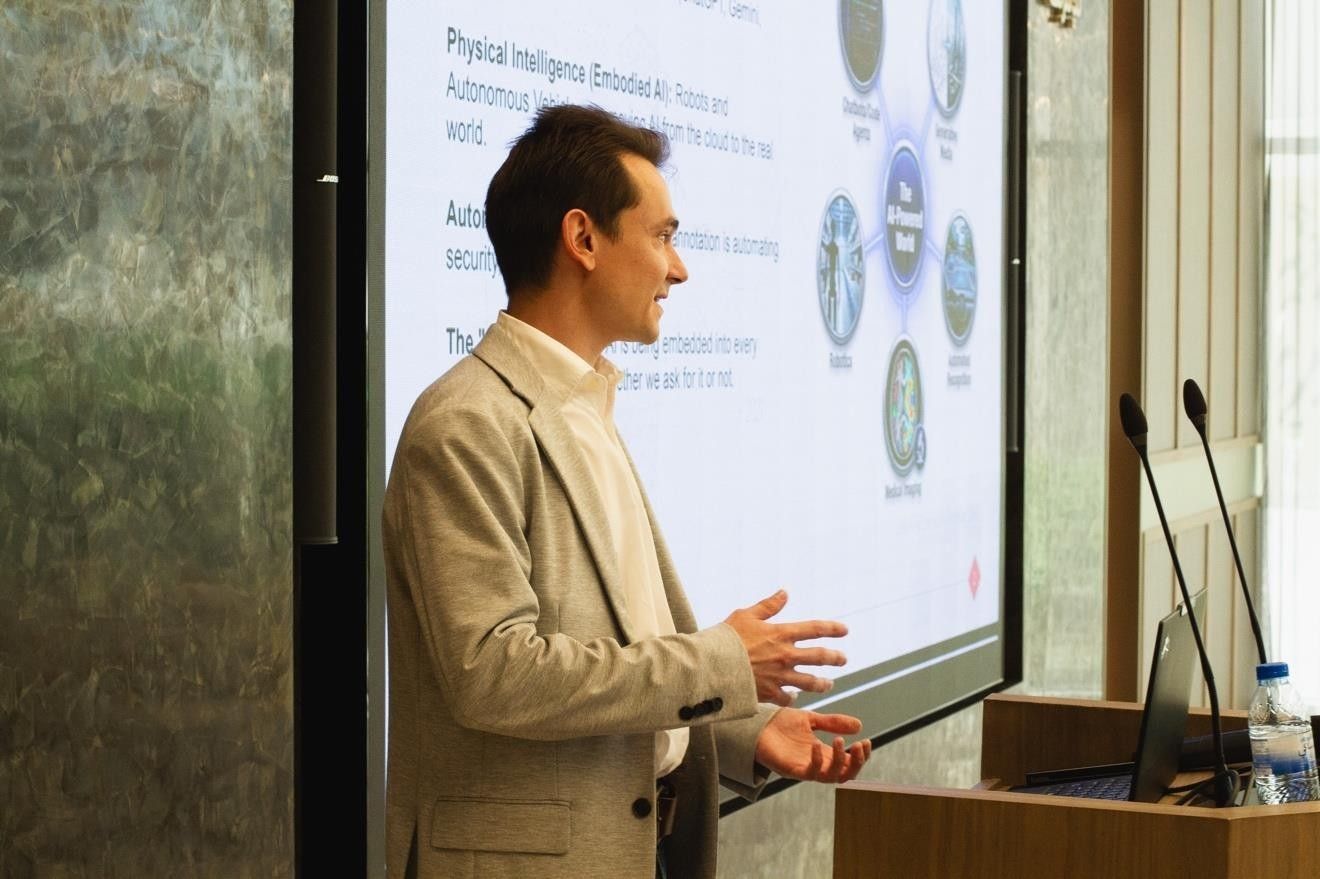
Notably, the Axiom X session was not a solo presentation. Individual members of the AI chip team each took the stage to walk through their specific area of work — from architecture and design to tooling and integration. In highly specialized teams, the person closest to the problem is often the best person to explain it. Having engineers present their own work directly, rather than having it summarized by a lead, gave the audience a more accurate and textured understanding of the project. It also sent a clear signal: the people doing the technical work are visible, their contributions are valued, and the company trusts them to represent it in front of their peers.
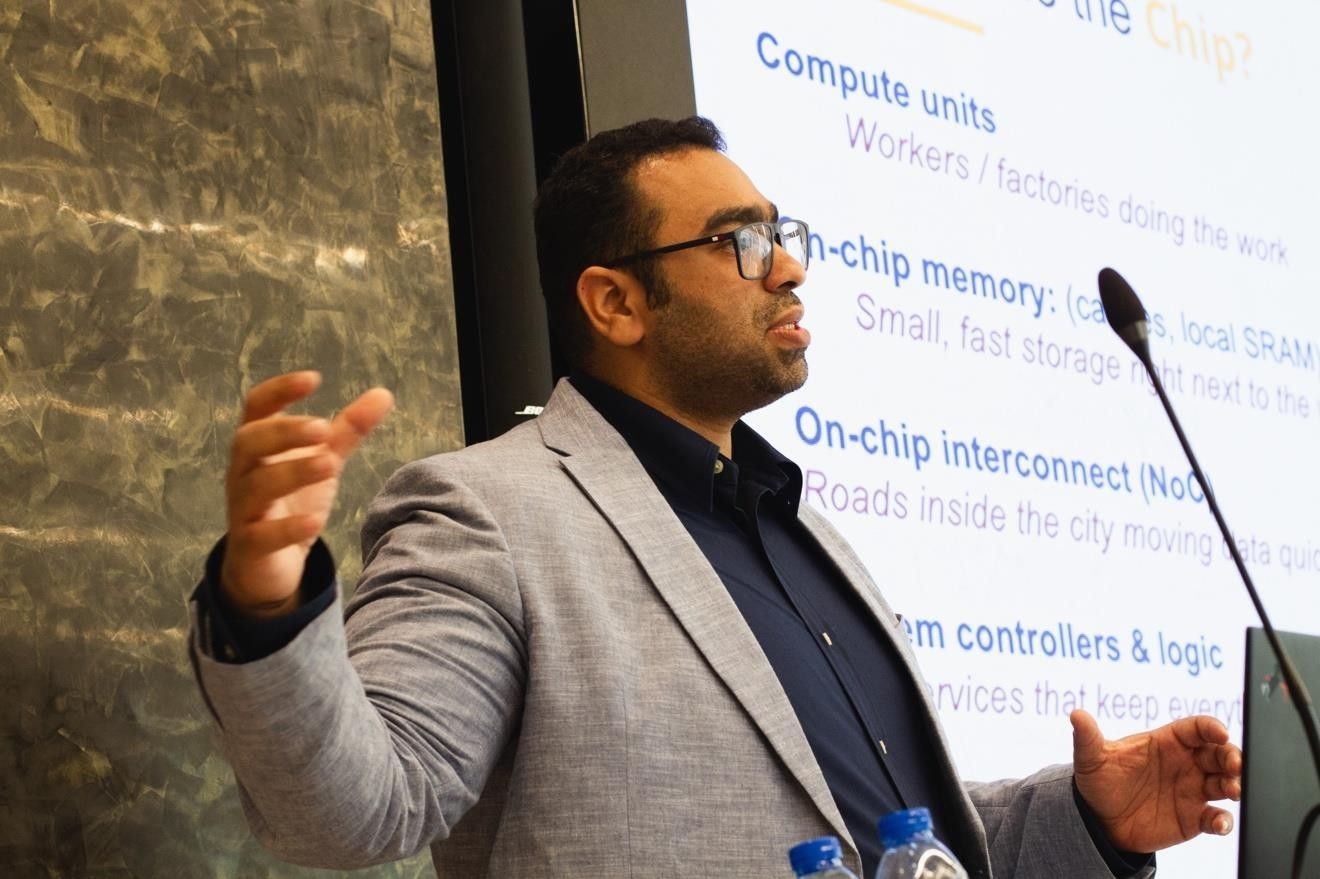
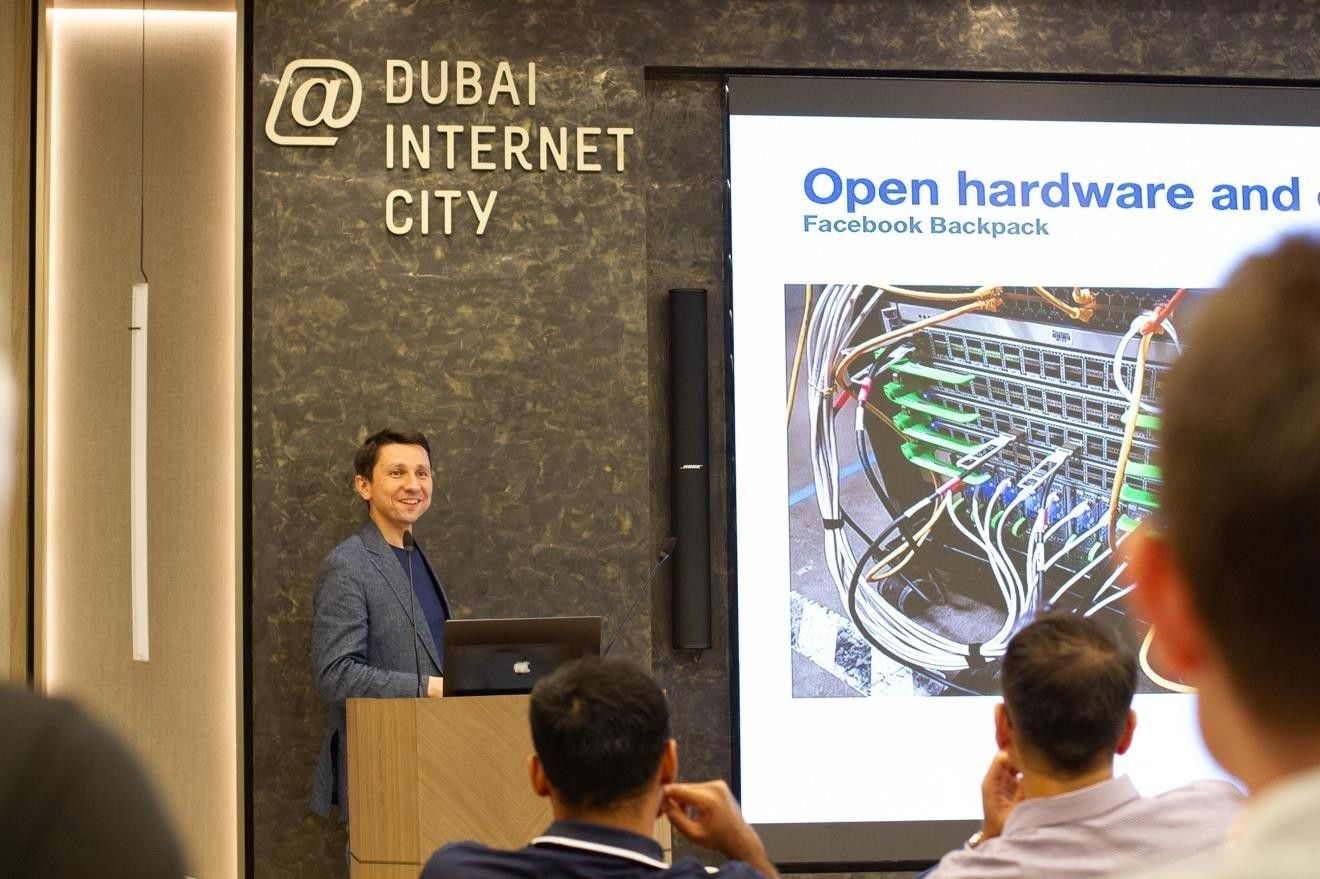
The CTO of the networking development team presented separately, reviewing the organization’s achievements in disaggregated networking and open-platform infrastructure, and laying out the forward roadmap. The framing situated current work within a longer trajectory, connecting individual contributions to outcomes that extend beyond any single sprint or release.
The evening then moved away from the conference setting entirely, to a dinner where the agenda was simply conversation. For remote engineers meeting on-site colleagues for the first time, this transition mattered. The shift from a structured professional context to an informal social one compressed the relational distance that remote work creates. By the end of the evening, the distinction between who was “remote” and who was “local” had largely dissolved.
Day Two: Shared Experience Outside the Office
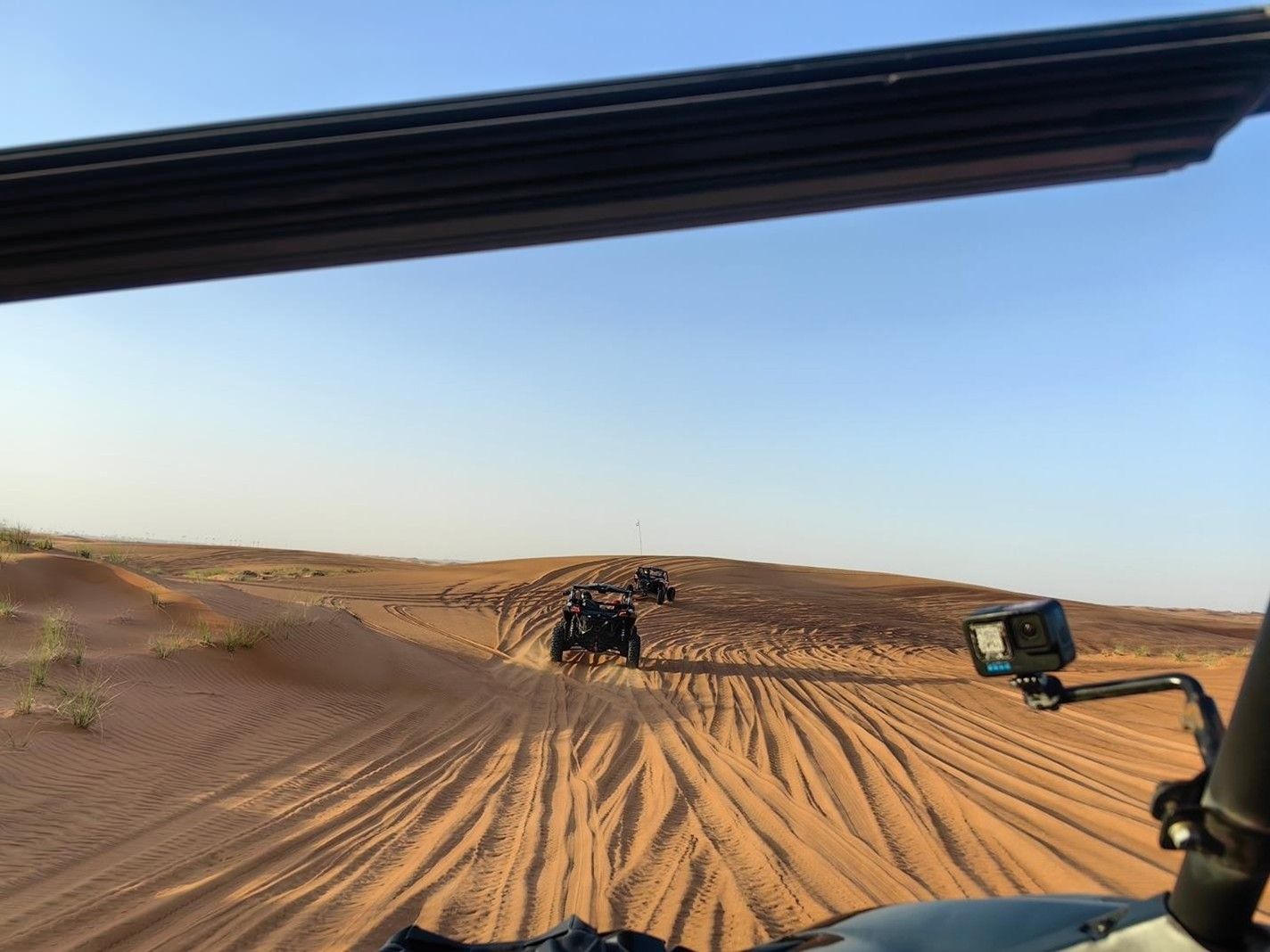
Day two was spent in the desert — sand buggies, open landscape, and an absence of screens. The choice to place team-building activities outside the office environment entirely was intentional. Shared physical challenge, even in a recreational form, produces a different kind of connection than shared work. It creates stories — small, inconsequential ones — that become part of a team’s shared vocabulary.
The dinner that closed the second day, set against the desert landscape, extended that informal register into the evening.
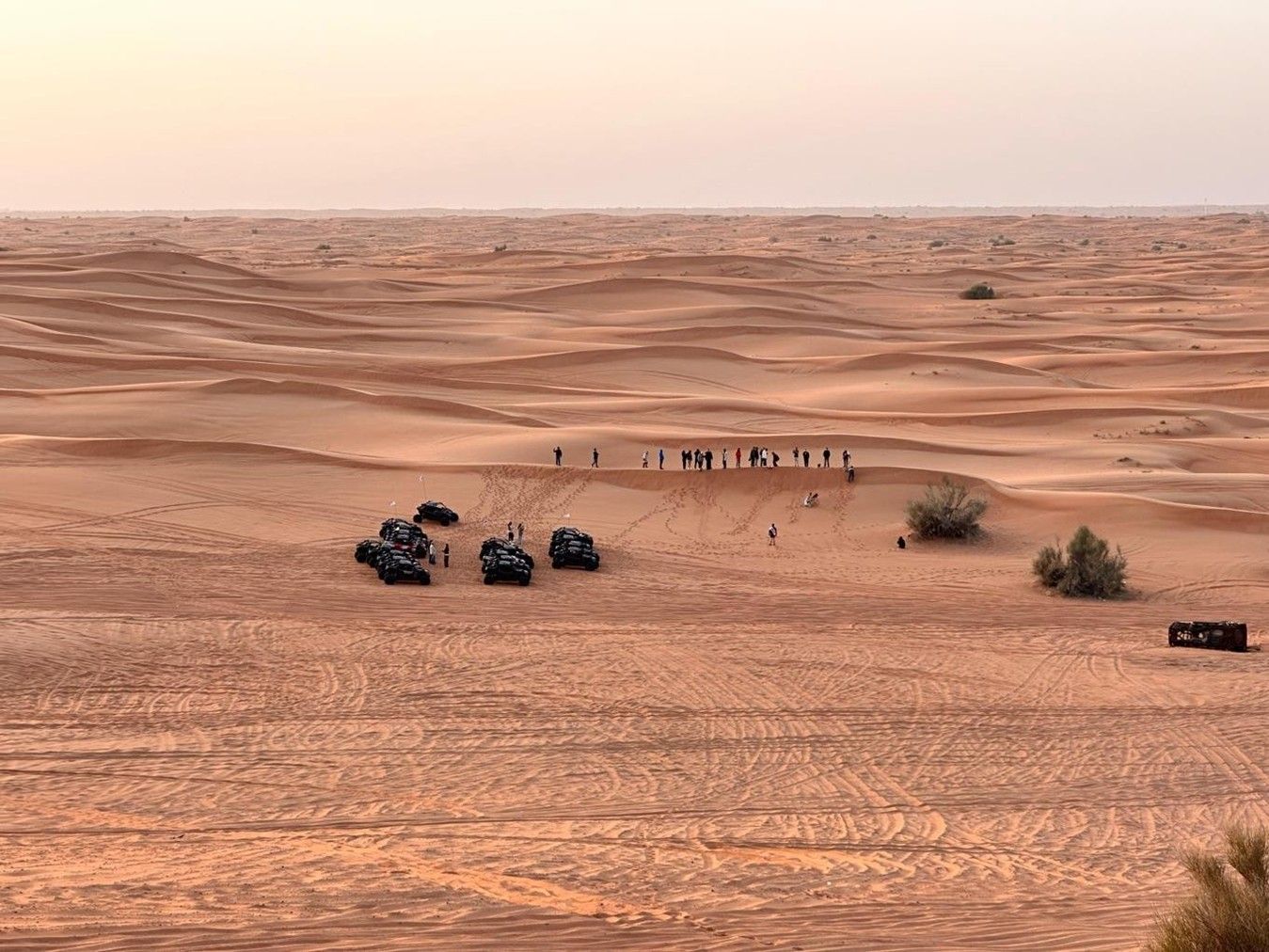
The choice to place activities outside the office environment entirely was intentional. Shared physical challenge produces a different kind of connection than shared work.
The Outcome: What Actually Changed
The most significant shift was not observable in a dashboard. It was relational. Team members who had worked together for months or years without meeting now had a concrete human reference for each other — a voice, a laugh, a memory of a conversation in the desert. That reference changes the quality of remote interaction: async messages carry less ambiguity, and video calls feel less transactional. The friction of coordination across distance decreases, not because the logistics changed, but because the trust baseline did.
The event also produced the kind of alignment that is difficult to achieve through written communication alone. By the end of day one, the full team had a shared understanding of the company’s direction, the bets being placed on the AI hardware roadmap, and the milestones the networking organization was working toward. That shared context reduces the cost of future decisions, shortens the feedback loop between teams, and makes it easier for individuals to prioritize their own work in ways that are coherent with the company’s direction.
There was an observable effect on morale as well. Engineers working in niche, specialized roles — often at the frontier of what is technically possible — sometimes operate in a kind of professional isolation. Meeting others doing similarly demanding work, and seeing firsthand the depth of expertise distributed across the team, can be quietly reinforcing.
Key HR Insights
A few observations from this experience are worth distilling for teams navigating similar challenges.
- Timing matters more than frequency. The key question for a growing distributed company is not how often to gather, but when. The right moment is just before a new phase of growth, when the team is large enough to have fragmented but early enough that fragmentation has not yet calcified into permanent silos. For Evollabs, that inflection point was roughly 30 people.
- Design for context transfer, not reporting. The most valuable sessions were not updates on metrics or project statuses. They were sessions that gave people context they did not previously have — the full strategic picture, the reasoning behind major technical bets, and the connection between today’s work and the company’s long-term direction. That kind of content is high-leverage because it improves the quality of decisions made independently, long after the event is over.
- Deliberately blend formal and informal. The shift from conference sessions to dinner to a day in the desert was not accidental — it was a deliberate gradient from structured to unstructured. Companies that design team events as purely social miss the opportunity to do substantive alignment work. Those that design them as purely strategic miss the opportunity to build the relational foundation that makes that alignment durable.
- Focus on people at the edges. The experience is most valuable for those whose organizational context is thinnest: recent joiners, remote team members, and people working on tracks that are not central to the company’s current phase of focus. For them, physical presence closes the most ground in the shortest time.
Looking Ahead
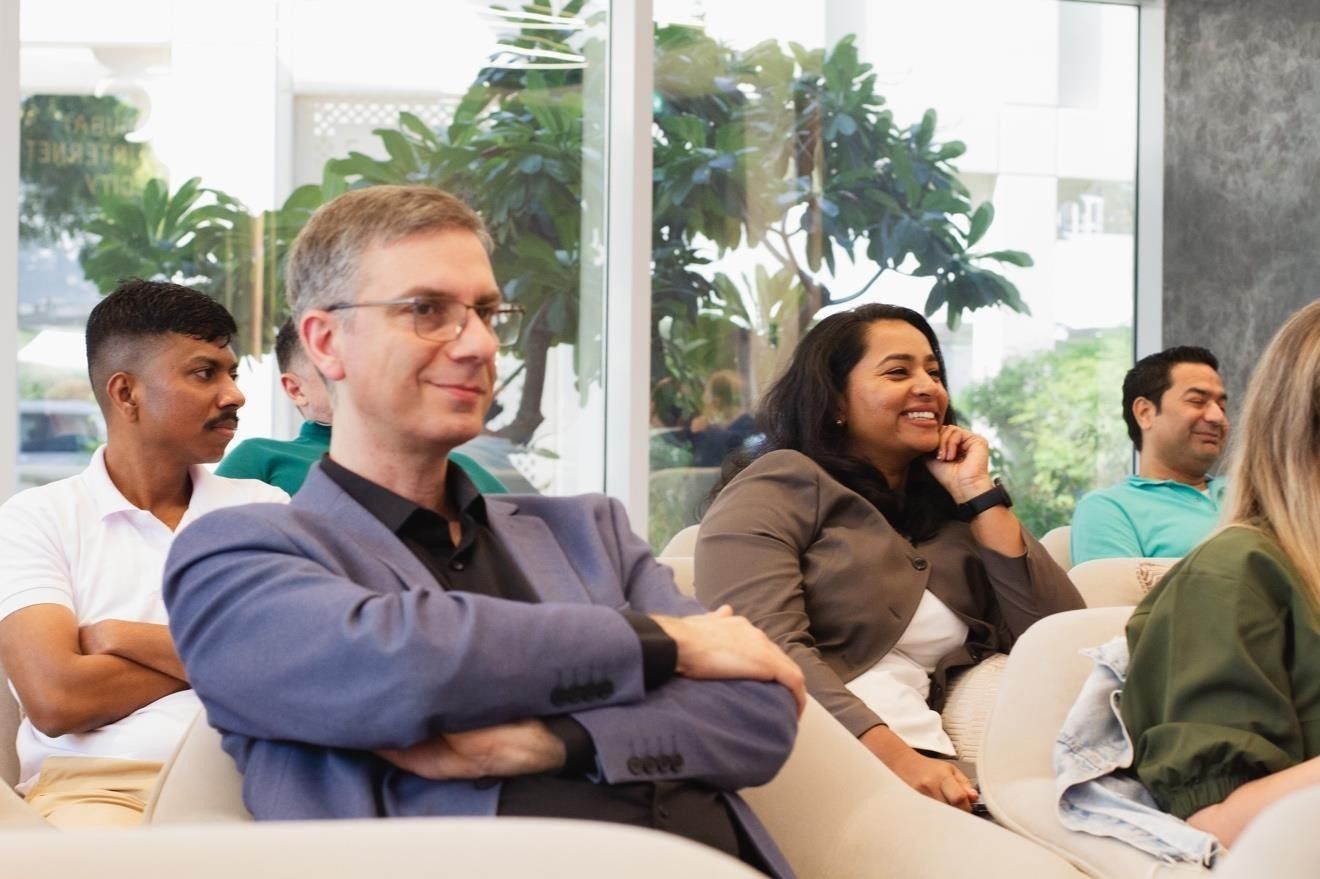
For Evollabs, the first all-hands was a milestone, but the more meaningful question is what comes next. A single gathering, however well-designed, creates a relational foundation — it does not maintain one. The challenge now is to build on what was established: to keep the cross-team visibility the event created, to maintain the informal communication channels that opened up, and to ensure that the strategic context transferred in Dubai continues to travel as the team grows.
The company plans to make regular all-hands gatherings a structural part of how it operates. Distributed teams that gather periodically with intention — not as a novelty, but as a deliberate practice — tend to sustain alignment better than those that treat in-person time as either a luxury or an emergency response.
As companies scale from small teams to larger organizations, the mechanisms that sustained culture in the early days — proximity, frequent informal interaction, direct access to leadership — gradually stop working at the same volume. Organizations that navigate this well replace those informal mechanisms with deliberate, designed ones before the gap becomes a problem.
Bringing a distributed team together, thoughtfully and at the right moment, is one of the most direct interventions available. The return is not always visible immediately. But it tends to compound.
If you are building or operating in adjacent areas — from disaggregated networking to AI infrastructure or high-performance computing — and are interested in partnering with a team that treats organizational design as seriously as technical architecture, we would like to hear from you. Reach out to us via evollabs.com to explore collaboration opportunities, from joint product work to infrastructure initiatives where our teams can meaningfully complement each other.
Evollabs Team
Contact
Evollabs Tech FZ-LLC DIC-Bldg. 05-118, Dubai Internet City United Arab Emirates
© EVOLLABS, all rights reserved.
Developed by SpiderWorks